
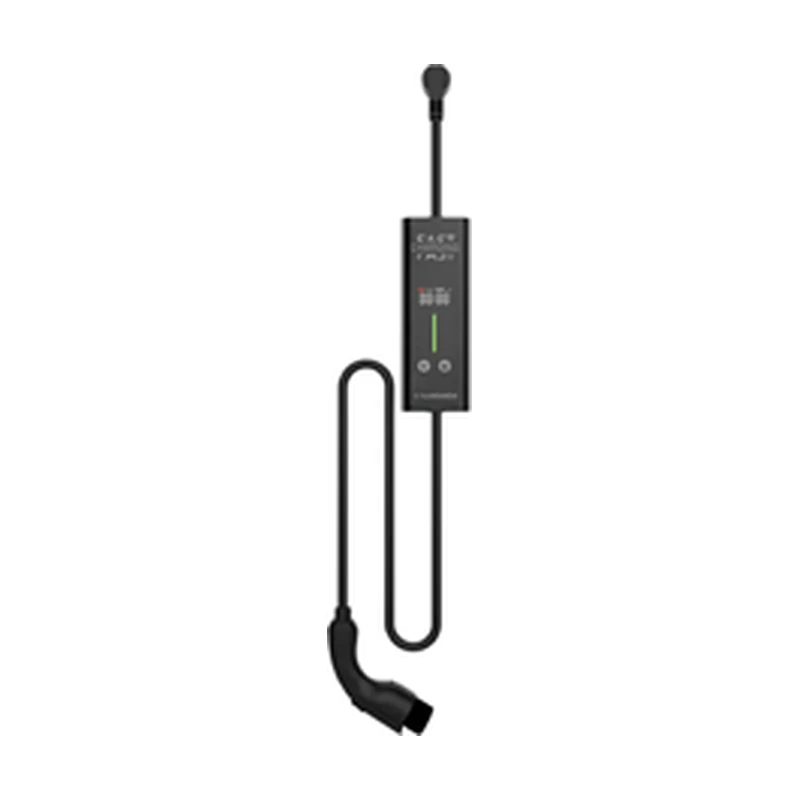
Portable AC
3.7 kW / 16 A
ConnectionType 2
Current steps5 levels
Scheduling1-12 hours
ProtectionIP66
A carrying-case charger for plug-and-play indoor or outdoor use.
Solar, storage & EV charging
Integrated charging systems combine onsite solar, battery storage, grid input and DC fast charging in one coordinated platform. This buffer helps sites manage peak demand while keeping chargers available for drivers.
Standalone EV chargers
The EU charger range starts with a portable 3.7 kW cable, moves to 7-22 kW networked AC units and adds compact 20/30 kW DC fast charging without a storage cabinet.
Portable AC
A carrying-case charger for plug-and-play indoor or outdoor use.
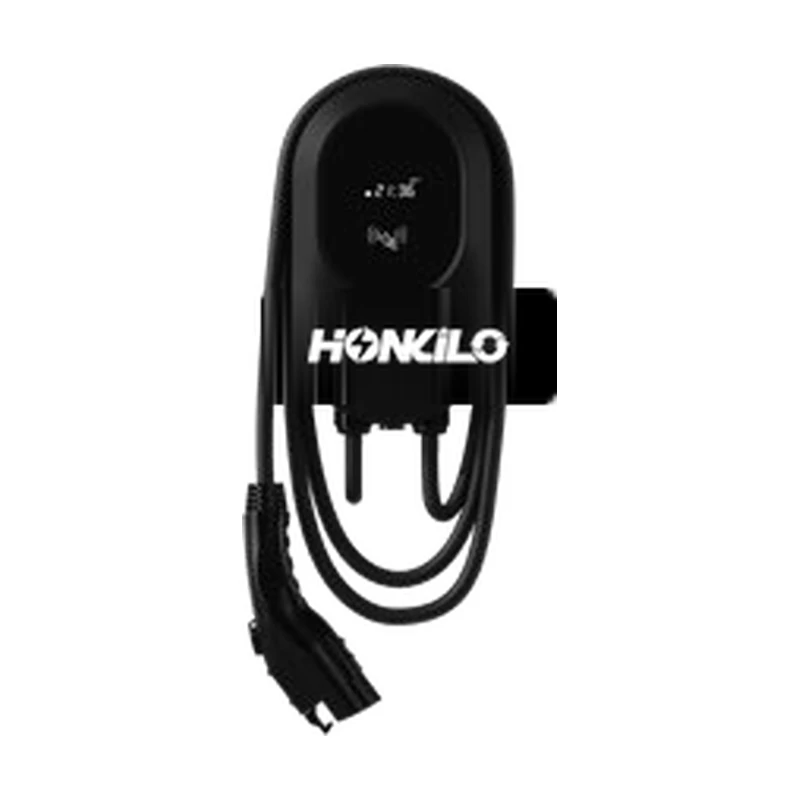
Networked AC
Wall or floor mounting with RFID, app or plug-and-play start.
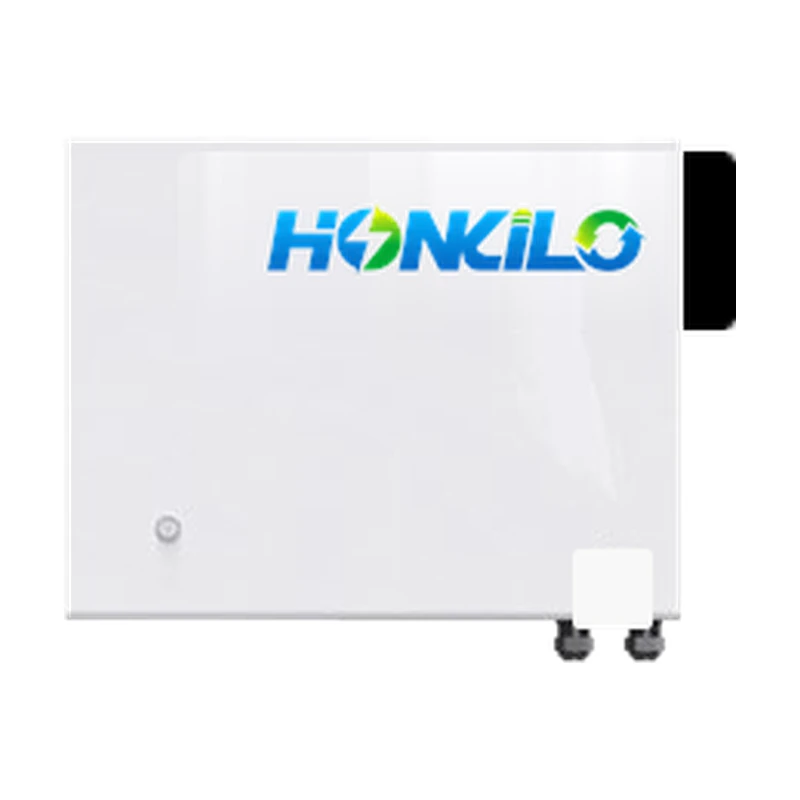
Compact DC
Modular fast charging for commercial destinations and small depots.
See the EU charger library for connector, authorization and environmental specifications.
PV-storage-charging cabinet
Storage can reduce the site's peak grid import, absorb solar generation and maintain charging service when capacity is constrained. Cabinet systems suit highway stops, depots, commercial sites and public charging locations.
Charging architecture
Generation, storage and vehicle demand are managed together instead of placing the entire fast-charging load on the local grid.
Cabinet and container options
Cabinet systems serve one or two charging points, while container systems support multi-gun hubs and longer high-power operating windows.
Cabinet system
Combines storage, charging modules and energy control in an outdoor cabinet. Suitable for constrained commercial sites and single- or dual-gun installations.
Container system
A scalable energy container supports multiple chargers and larger storage capacity for highway, depot and fleet applications.
Commercial fleet
Coordinate charging windows around fleet schedules, available site power and stored solar energy.
Public charging
Use storage to support charging demand when grid upgrades are costly, slow or physically constrained.
Representative configurations
Larger batteries support longer periods of fast charging or higher site buffering. Actual performance depends on the charger profile, vehicle, ambient conditions and grid limits.
| Format | Battery energy | Fast-charge power | Charging points | Replenishment / solar |
|---|---|---|---|---|
| Compact cabinet | 60 kWh | 60 kW | 1 or 2 guns | 30 kW AC; 38 kW PV |
| Compact cabinet | 87 kWh | 80 kW | 1 or 2 guns | 30 kW AC; 38 kW PV |
| Liquid-cooled cabinet | 209 kWh | 120 kW | 2 guns | Up to 60 kW AC; 75 kW PV |
| Liquid-cooled cabinet | 261 kWh | 120 kW | 2 guns | Up to 125 kW AC; 120 kW PV |
| Liquid-cooled cabinet | 265 kWh | 240 kW | 2 guns | Up to 250 kW AC; 240 kW PV |
| Container | 522 kWh | 240 kW | 2 guns | 125 kW AC; 240 kW PV |
| Container | 1-1.5 MWh | 480 kW | 4 guns | 250-750 kW AC; 240-720 kW PV |
Connector type, charging protocol, payment integration, enclosure rating and grid-code compliance must be confirmed for the destination market. Charging power may be limited by the vehicle, charger module configuration, battery state of charge and site conditions.
What an integrated hub changes
Storage decouples charger demand from immediate utility import and allows more of the site's solar energy to be used locally.
Suitable sites
Start with your charging brief
Share the vehicle mix, target charging power, available grid capacity and operating hours.