
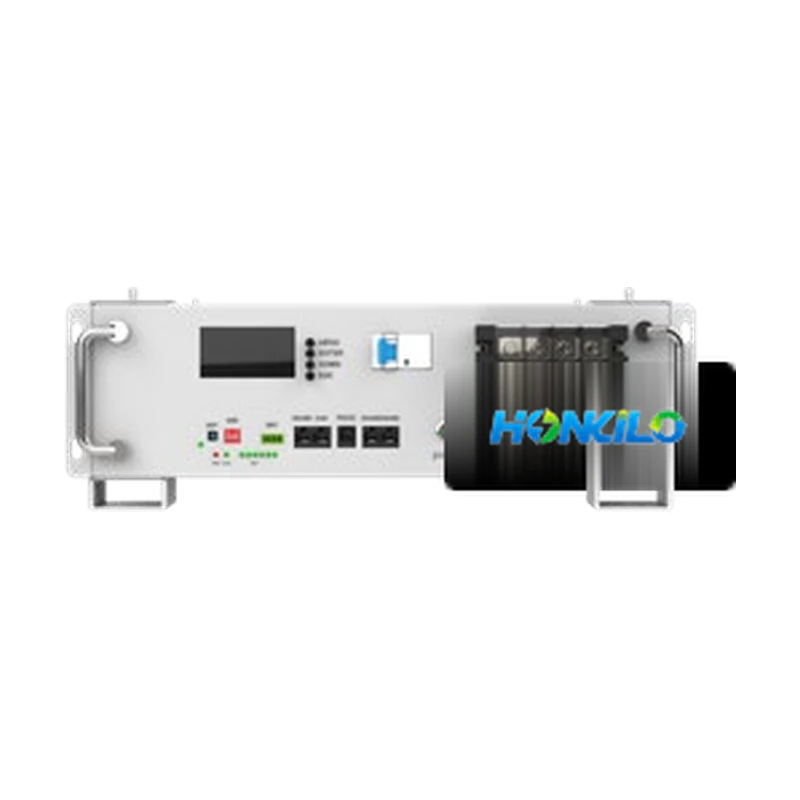
Rack
5 kWh / 51.2 V
Capacity100 Ah
Dimensions420 x 482 x 133 mm
Weight50 kg
EnclosureIP21
Front-access module for rack cabinets and technical rooms.
Battery energy storage
Choose storage architecture by application, not by catalog size. HONKILO offers modular wall, stack and all-in-one systems for homes, plus rack, cabinet and containerized platforms for commercial and utility-scale projects.
EU modular battery formats
The 51.2 V platform is available as a 5 kWh rack module, a 5 kWh wall cabinet and a 16 kWh floor-standing battery. All formats use LFP chemistry, parallel expansion and RS485, RS232 or CAN communication.
Rack
Front-access module for rack cabinets and technical rooms.
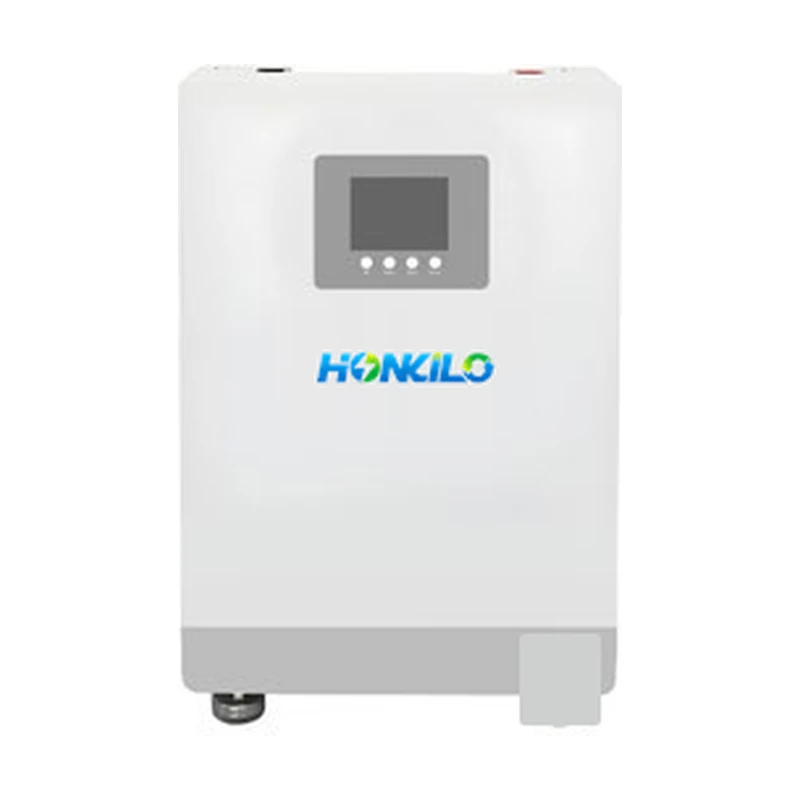
Wall
A slim format for garages and protected utility spaces.
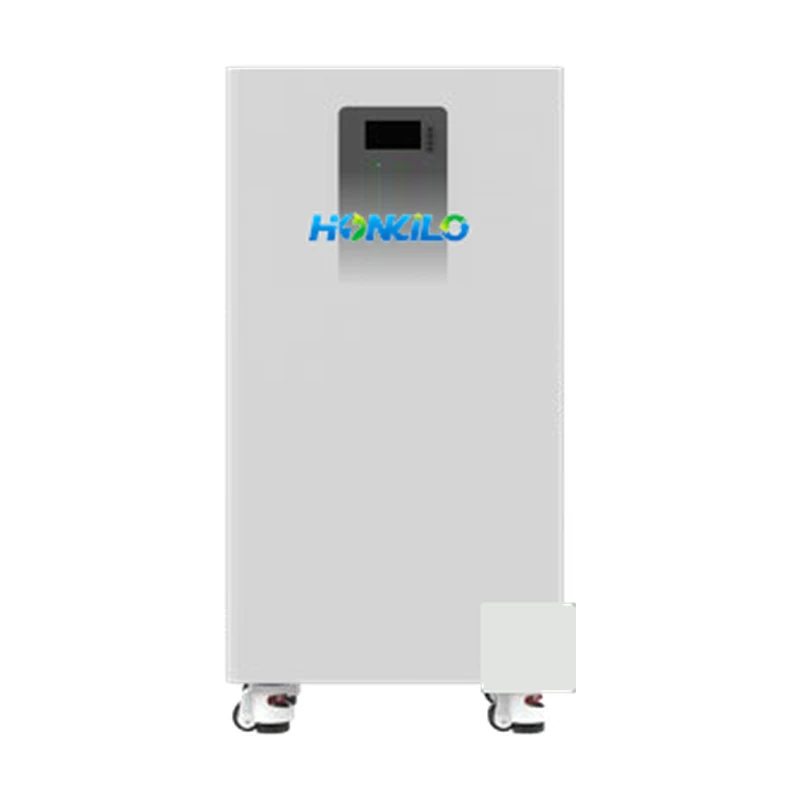
Floor
Higher single-unit capacity for longer backup windows.
Explore the complete EU storage library, including the Mini Residential Energy System and 4/8 kWh eBASE all-in-one cabinet.
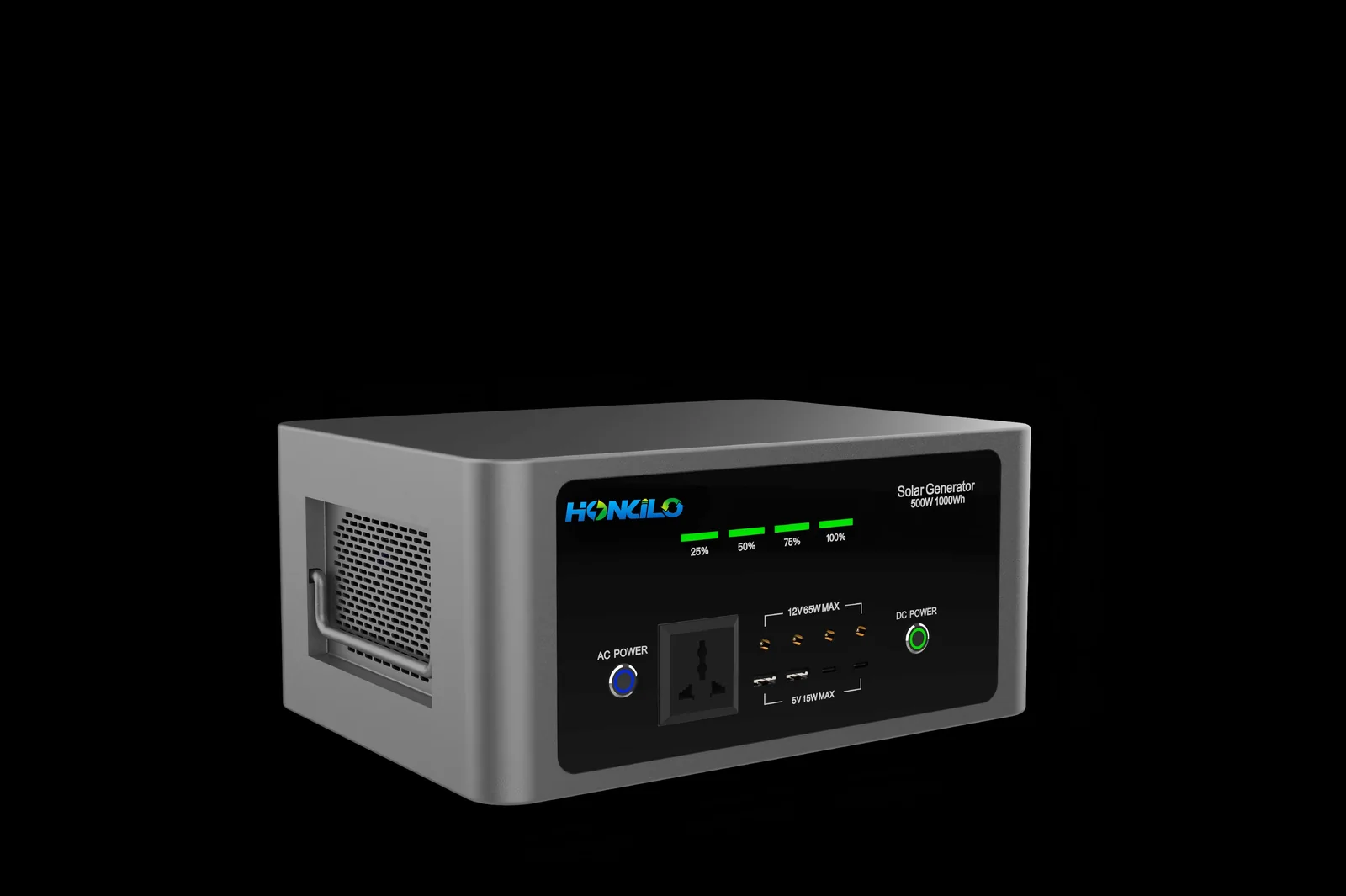
New compact home power
A plug-and-play lithium power system for lights, phones, fans, TVs and small appliances. It accepts compatible solar panels, can sit on a shelf, be wall-mounted or carried by its handle, and is available in 1 or 2 kWh configurations.
Residential storage
Start with a wall-mounted or modular battery and build capacity as the household adds solar, EV charging or essential-load backup. Integrated all-in-one systems reduce the number of separate components for simpler residential installations.
Residential configurations
The right format depends on wall space, power demand, backup priorities and whether the inverter is purchased separately.
Modular battery
Low-voltage battery modules can be configured as wall or floor systems, with communication designed for common hybrid inverter architectures.
High-voltage battery
Higher system voltage reduces current for suitable residential inverter architectures and supports compact floor-standing installations.
All-in-one ESS
Integrated systems combine battery, inverter and energy management for faster specification and installation in space-conscious homes.
AC-coupled
AC-coupled systems support solar self-consumption and storage expansion without replacing the existing PV inverter architecture.
Commercial & industrial storage
Commercial systems can start with a modular cabinet and expand through parallel units, or move directly to a containerized platform when the site requires higher power, larger energy capacity and integrated medium-voltage equipment.
Product matrix
Use this table for initial range planning. Final configuration, inverter compatibility, enclosure rating and certification must be confirmed against the destination market and project design.
| Platform | Energy range | Voltage / power | Format | Typical application |
|---|---|---|---|---|
| Low-voltage modules | 5.12-16 kWh | 51.2 V; 100-200 A | Wall-mounted or stackable | Home solar storage and backup |
| High-voltage stack | 15.3-40.9 kWh | 204-409 V; 25-50 A charge | Floor-standing stack | Larger homes and high-voltage hybrids |
| Compact all-in-one | 1-16 kWh | 0.5-12 kW | Wall, floor or portable | Simple residential or light commercial backup |
| AC-coupled ESS | 5.12 kWh modules | 2.5 / 5 kW | Modular tower | Retrofit storage on existing solar systems |
| Commercial rack / cabinet | 48-261 kWh | IP20 / IP54 / IP65 | Rack, wall cabinet or free-standing | Commercial self-consumption and peak control |
| Liquid-cooled cabinet | 156-522 kWh | 690 / 800 Vac PCS options | Outdoor integrated cabinet | C&I, microgrid and charging support |
| Containerized BESS | 1-20 MWh | 0.5-10 MW; 690 / 800 Vac | 10-ft or 20-ft container | Utility, industrial and multi-site energy blocks |
Configured around the load profile, grid conditions, available footprint, local interconnection rules and the required duration of backup. Product documentation is issued after configuration review.
Architecture choices
HONKILO can coordinate battery cabinets, PCS, EMS, solar input and backup interfaces as a single review scope.
Matched applications
One platform can serve multiple operating goals when the power rating, energy duration and control strategy are defined together.
Start with your requirements
Share the required power, backup duration, site conditions and destination market for a configuration review.